Bankers, business leaders and climate specialists in Dhaka on 3 November called for changes to lending rules, longer-term loans and government-backed guarantees so that private investors put money into climate adaptation. They named uncertain returns, foreign exchange risk and poor project preparation as the main barriers to financing agriculture, water supply and municipal services.
They spoke at “Pre-COP Dialogue: Unlocking Private Investment in Climate Adaptation”, a roundtable organised by SNV and The Daily Star ahead of COP31.
The size of the gap
- The National Adaptation Plan estimates investment needs of $230 billion by 2050, or about $8.5 billion a year, across 113 interventions, said Mazed Hossain Mahin of SNV.
- Molla Karimul Islam Tuhin of City Bank put annual needs at about Tk 1 lakh crore for adaptation and Tk 1.3 lakh crore for mitigation. Banks disburse around Tk 30,000 crore a year, he said.
- Kaida Azam of NCC Bank said adaptation projects can need 10 to 15-year loans, while banks rely mostly on short-term deposits.
“These priorities still need to become projects that financiers and investors can actually assess and support,” Mahin said.
What the government and lenders offered
Ali Azam Al Azad of the PPP Division at Invest Bangladesh said the government has developed small-scale public-private partnership guidelines with SNV’s support. They allow up to 40 percent viability gap funding. He called for changes to collateral requirements, single-borrower limits and long-term lending rules.
Imtiaj Haque of Water.org called for wider use of impact bonds and blended finance. Water.org has signed a social bond agreement with BRAC Bank and is looking at taka-denominated bonds to get around hedging problems. Sumaiya T Ahmed of PRAN-RFL said the company has a $35 million financing facility from the Dutch development bank FMO, tied to sustainability targets.
Small projects and communities
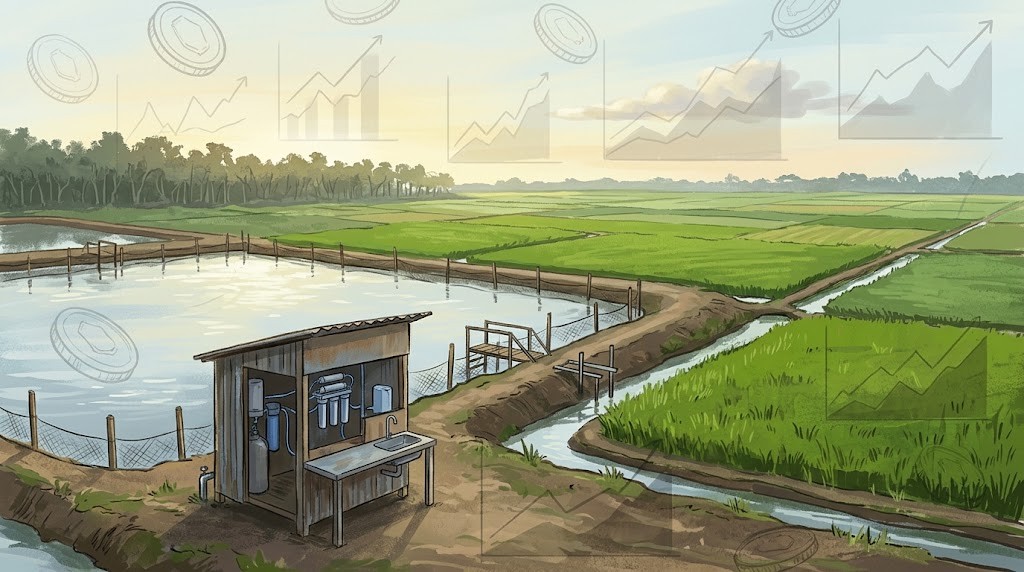
Shabbir Karim Rudro of Tetra said a survey found more than 700 reverse-osmosis water plants in Khulna and Satkhira, and over 30 percent of them were not working. Each plant can serve about 300 families. Prof Tania Haque of Dhaka University said women are often treated as “passive recipients rather than active agents” in climate programmes and should be involved in planning and budgeting.
Ismène Stalpers, SNV’s country director, said private capital should complement public and international finance, not replace it, especially where commercial returns are limited. SNV chief executive Simon O’Connell said recognising due diligence already done by partners could cut costs and free grant money for communities private investors will not reach.
Sources
- Financing barriers deter private climate investment, The Daily Star, 4 November 2026
Spotted an error? Tell us and we will correct it. Read our editorial standards.