Fewer than a third of secondary school teachers surveyed in Bangladesh have had any training in health education or well-being, according to a government study of the Health Promoting Schools Programme.
At a glance
- Title: Situation Analysis Report on the Health Promoting Schools Programme in Bangladesh
- Published by: Directorate of Secondary and Higher Education (DSHE), Ministry of Education, with support from UNESCO. The programme is implemented by DSHE and the National Academy for Education Management (NAEM).
- Published: July 2026
- Method: survey of 458 students and 206 teachers in 48 secondary schools across all eight divisions, plus 24 focus groups, 12 interviews and a review of policy, curriculum and textbooks
Main findings
- Teacher training is thin. Only 30.1% of surveyed teachers had received health education or well-being training. Rates were lower among teachers in government and rural schools, and training was often short.
- Policy awareness is low. Many teachers were unfamiliar with national school health provisions.
- Habits are ahead of knowledge. Students reported many healthy practices, but their overall health knowledge was rated poor.
- Services vary by school type. Students in non-government schools were more likely to report clean toilets, safe drinking water, anti-bullying measures and a dedicated health worker.
- Check-ups are not routine. Regular health check-ups were not standard for many students, and arrangements for responding to accidents were not consistently reported.
- Families are supportive. Nearly 93% of students said their parents encourage healthy practices at home.
- Curriculum gaps. Road safety, drug and suicide prevention, emergency response, environmental health, and menstrual and reproductive health need more attention.
Limitation: the findings on school facilities reflect what students reported, not physical inspections.
What the report recommends
- Better coordination among the education, health, youth and sports, women and children affairs, and social welfare ministries
- More teacher training, including first aid
- Referral links between schools and local health facilities
- Improved sanitation and nutrition in schools
- Qualified physical education teachers and regular physical activity
- Dedicated financing for school health
Why it matters
The report gives NGOs working on school health, WASH in schools, adolescent health and education a clear, government-owned list of gaps to plan around. Teacher training and school sanitation are areas where NGO programmes and donor funding can directly support the recommendations.
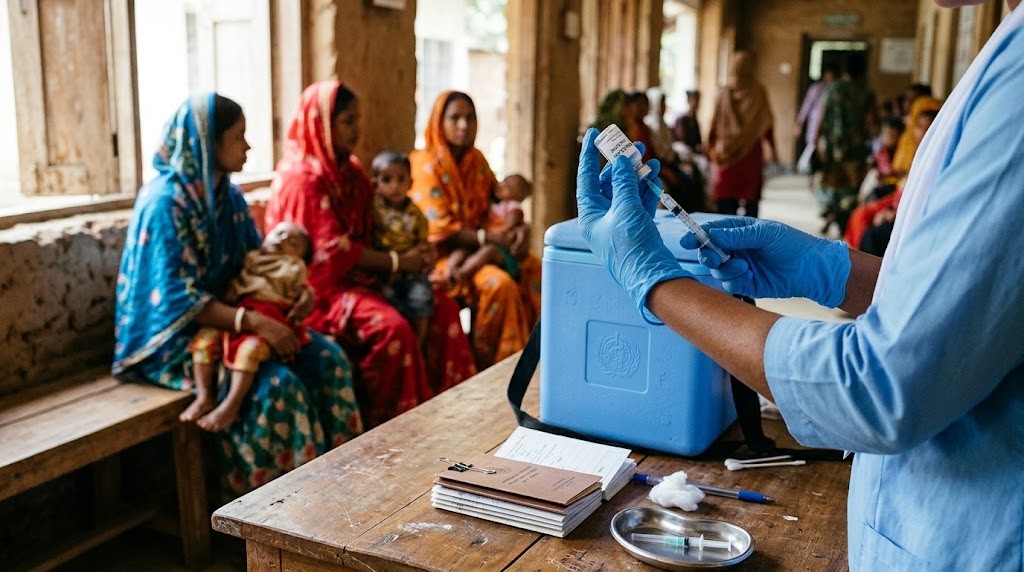
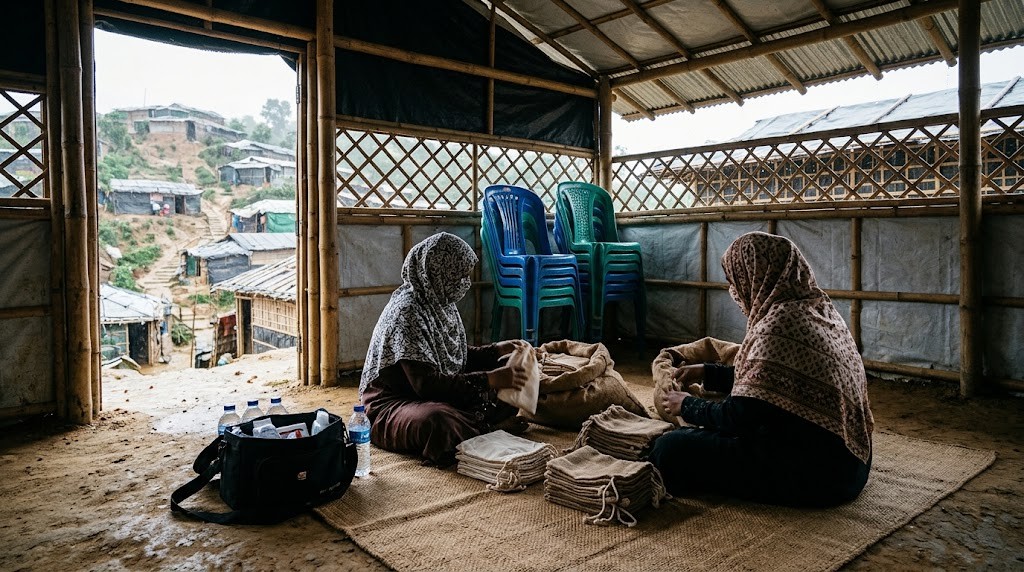
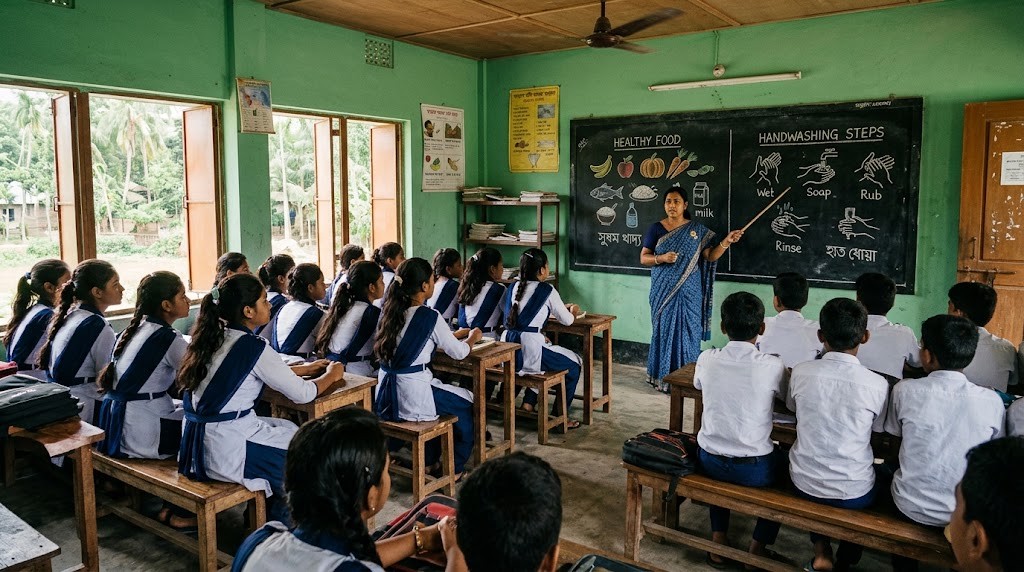
Image: an illustration generated with Google Gemini. It is not a photograph of a real classroom.
Sources
- Bangladesh study highlights areas to strengthen school health, UNESCO, 19 August 2026
Topics: education · education and human resource development · health · health nutrition · health support · national · training and workshop · wash
Spotted an error? Tell us and we will correct it. Read our editorial standards.